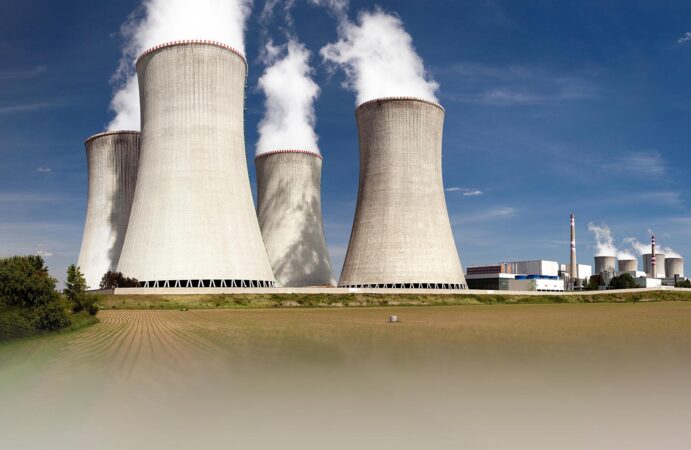
The energy crisis that has plagued Europe since 2021 and which has intensified with the war in Ukraine is prompting a major return to nuclear power on the continent. Convinced of the need for a robust energy infrastructure that is less dependent on fossil fuels, many European countries are planning to significantly expand their nuclear production capacity in the coming years.
Currently, 25 countries around the world, including half of European countries, have concrete plans to triple their nuclear production. However, a crucial challenge is emerging: the shortage of qualified workers. Demand for engineers and technicians specializing in the nuclear industry is rising, while countries struggle to find willing and qualified professionals to meet their needs, The Economist reveals.
France, known for its strong nuclear presence, plans to build up to 20 new reactors in the coming decades at a cost estimated at tens of billions of euros. However, the French electricity giant EDF faces a worrying deficit: the impending need for 100,000 new workers, 25,000 of whom may not be filled due to a lack of qualified professionals.
In the UK, the commitment to quadruple its nuclear capacity by 2050 will require an influx of 123,000 new workers over the next decade. The UK government, in partnership with companies such as EDF, BAE Systems and Rolls Royce, is investing to upskill the existing workforce and attract new talent.
In Sweden, with plans to expand its nuclear capacity to meet growing energy demand, the need for tens of thousands of new workers is becoming increasingly clear. However, the country faces a challenge similar to its European neighbors: insufficient training for nuclear engineers.
As Europe seeks to diversify its energy mix and reduce its reliance on imported energy, the nuclear industry appears to be a viable option, despite historical concerns about safety and sustainability. Investment in education and training will be crucial to meet the growing need for skilled professionals as governments and companies struggle to mitigate the logistical and financial challenges associated with large-scale projects.

Andrea Hargraves is a contributor to Brytfmonline.com, covering a broad range of topics including news, politics, business, technology, sports, entertainment, and lifestyle. She is committed to delivering clear, accurate, and reader-focused reporting that helps audiences stay informed about current events and emerging developments. Andrea’s work emphasizes useful information, balanced coverage, and stories that matter to everyday readers, making complex topics accessible and relevant to a wide audience.