
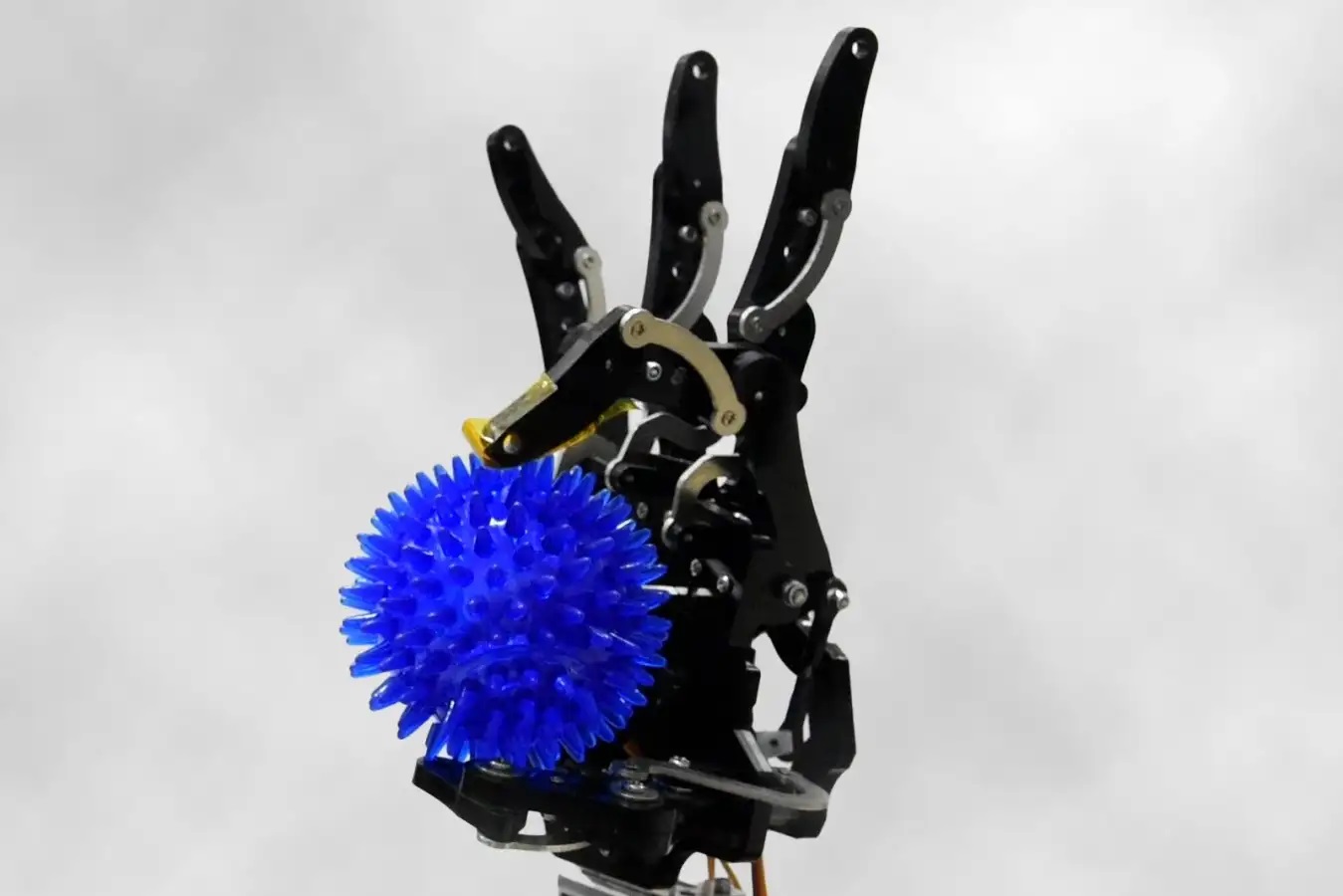
Humans have a nervous system that transmits the sensation of pain to the brain. Robots can end up getting “harmed” by not detecting that something could compromise their safety. To try to solve the problem, scientists are developing an artificial pain sensor for machines. Yes, very “Black Mirror” indeed.
Artificial skin can detect potentially harmful forces and help the robot maintain itself and prevent damage. This technology is being developed by scientist Ji Tan, from Hunan University in China.
He explains that the system works thanks to zinc and gallium crystals. According to the researcher, the crystals react to the excessive force and release electrons, creating an electrical signal.
“Thanks to the simultaneous use of electrical and visual signals, the intensity and location of pain can be perceived simultaneously. This will act as a pain receptor.” [célula que sente dor] Tan explained to the magazine new world.
Thus, electrical spikes sent by pain sensors in the skin, called nociceptors, are transmitted via nerves to different parts of the robot's brain. This can lead to self-preservation measures, such as staying away from a sharp knife, for example.
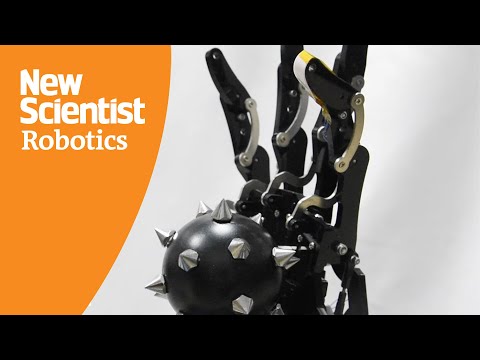
AI can also help prevent damage to the robot
The researchers also developed an artificial intelligence algorithm that will help the robot identify “triggers” to avoid.
So far, the algorithm has been trained on 100 different electrical and optical readings from a knife, a stick and a cotton ball pressed against a sensor. Thus, the algorithm learned to distinguish between harmful and harmless objects that could provide similar readings.
According to scientists, the robotic arm succeeded in distinguishing between safe and harmful objects in 97.5% of cases. For example, the AI realized that a robotic arm could safely hold tofu or a hard-boiled egg, but immediately reject hard objects like a spiked ball.
The study is still in its preliminary stage, but it could help companies that work with robots in hazardous areas, such as the seabed, save millions in maintenance and replacement costs for these machines.

Chris Skeldon is a contributor to Brytfmonline.com, covering a wide range of topics including news, politics, business, technology, sports, entertainment, and lifestyle. He focuses on delivering clear, accurate, and reader-friendly reporting that helps audiences stay informed about current events and emerging developments. With an emphasis on useful information and balanced storytelling, Chris aims to provide timely coverage of issues and stories that matter most to readers.